

Progress
Travelling north

The long road north looms once again. As we slipped out of Las Palmas at midday, it was hard to believe that four months of relentless sunshine had already come to an end. It wasn’t a happy departure. Still, Bertie gets to rest for the first 1,500 km. What happens after that… we’ll find out soon enough. Sitting here typing on the ferry, strangely, I’m not worried.
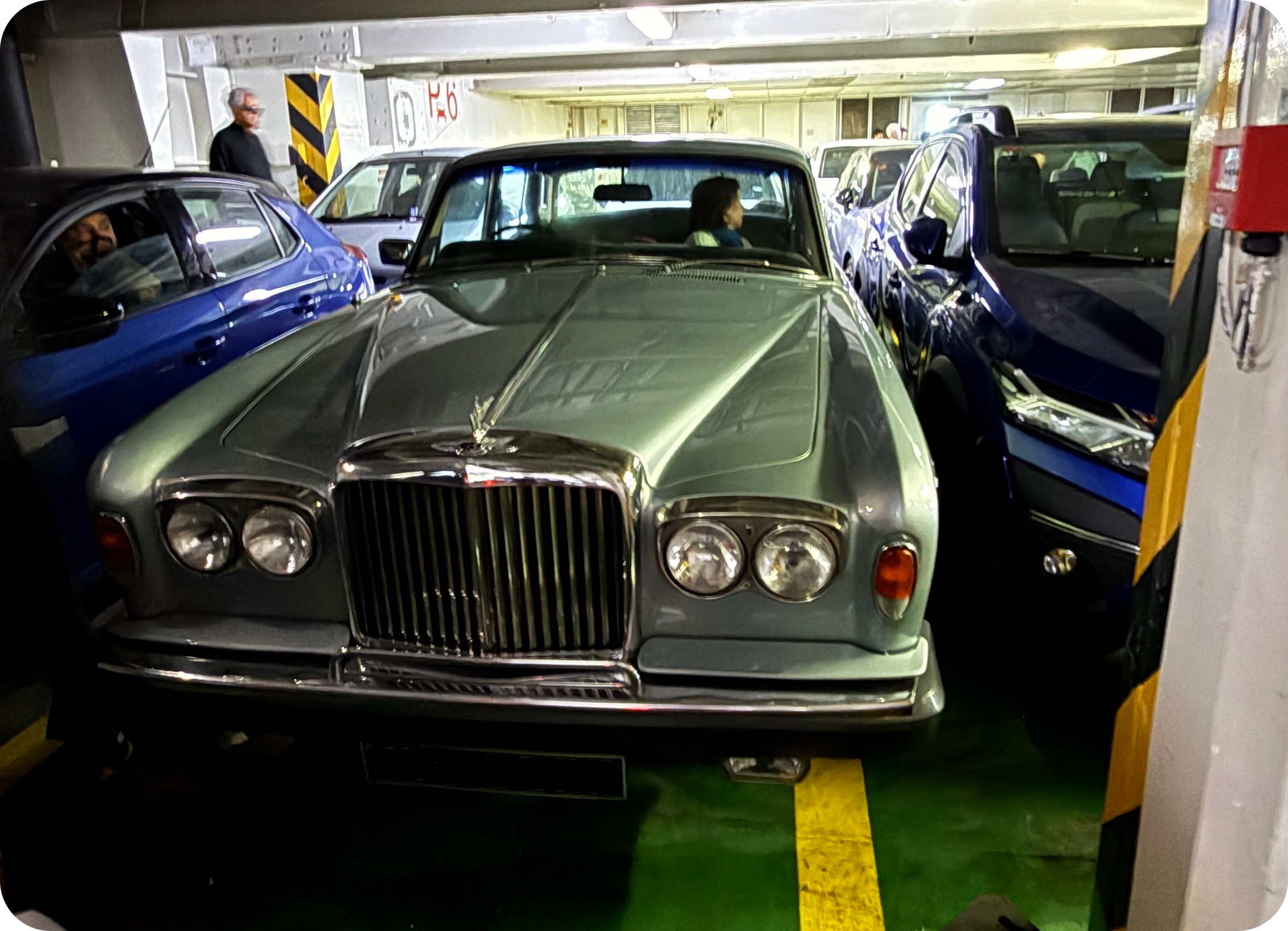
I read yesterday (in the FT) that the answer to EVs shortcomings is to fit a small petrol engine to charge the battery. They’re called range-extended EVs (or REEVs), and they’ve been doing rather well in China. According to the experts, this astonishing technical breakthrough - bolting on an engine to top up the battery - is going to revolutionise demand for electric cars. Drivers will finally be able to tackle “extended journeys”. Wow. Meanwhile, 58 years after Apollo 8 first orbited the Moon, we’ve just sent humans back around it again. Mankind is clearly on a roll.
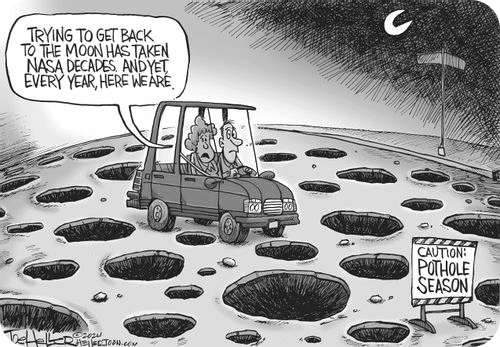
All this got me thinking about how motoring has actually improved over the last few decades. Before I share my thoughts, a quick disclaimer: this is entirely my personal take. Different people value very different things in a car, so what feels like progress to you might feel like regression to me. This is just one driver’s perspective.
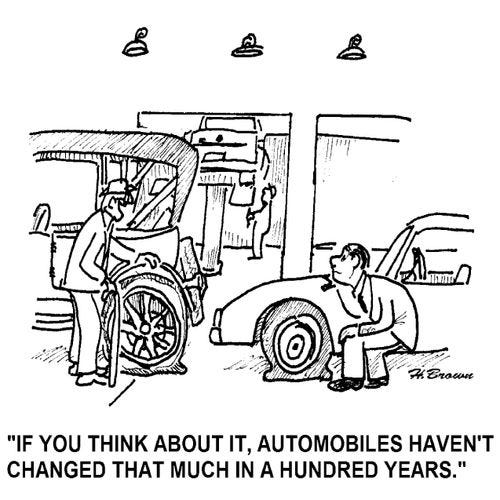
Safety was the big story in the 1970s and 80s. Looking at the numbers, the really dramatic gains in crash survivability came in the 60s and 70s with proper seatbelt standards, crumple zones and better structures. By the end of the 90s, the US fatality rate had already fallen from around 5 deaths per 100 million miles driven in the 1960s to roughly 2. Since then the improvement has been much more modest - we’re now hovering around 1.3. A lot of that later progress probably owes more to congestion, lower speed limits, and better road design than to any revolutionary leap in the cars themselves.
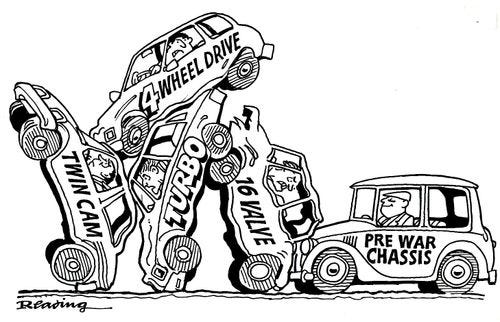
So are modern cars actually getting better? Well, the standard equipment has certainly improved - or at least that’s what the brochures tell us. I can remember when a radio was an optional extra. I do genuinely appreciate central locking and air-conditioning (both pretty exotic in the 70s). But the rest?
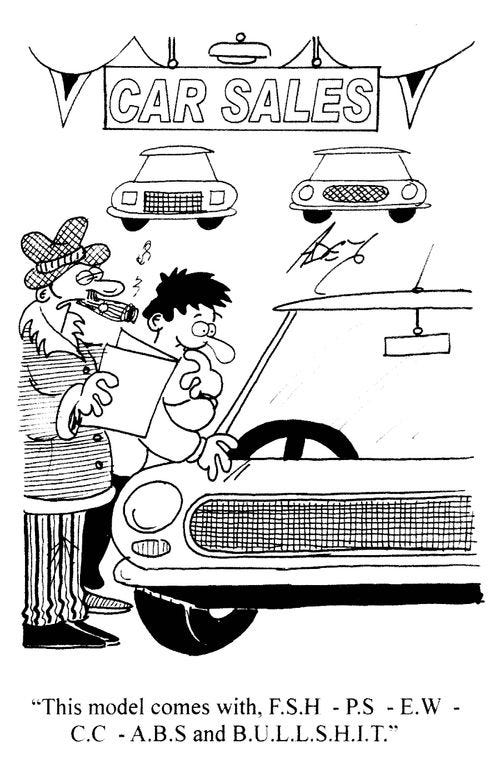
Electric windows still manage to catch me out at the worst possible moment. Heated seats - despite years spent in Switzerland - always make me feel like I’ve had a little accident. Factory sat-nav systems look embarrassingly dated after two or three years compared to my ‘phone.
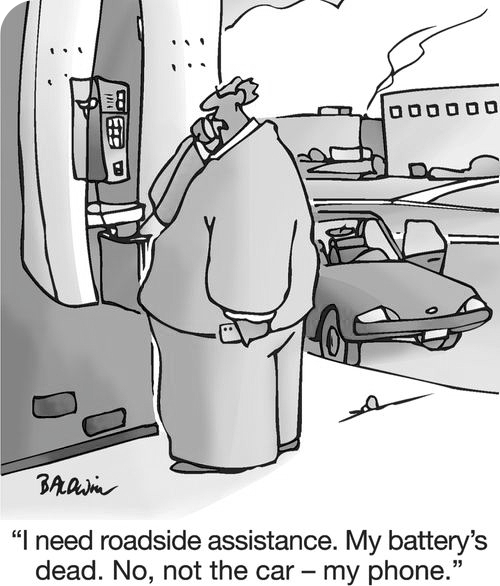
And then there are the options I actively loathe. The constant binging and bonging. It started with the gentle reminder for not wearing a seatbelt. But now the car has a full orchestral meltdown if you drift over a white line. When I learned to drive, staying in my own lane was considered basic competence, not something the car needed to babysit. My instructor never said, “Don’t worry lad, if you forget, the car will scream at you.”
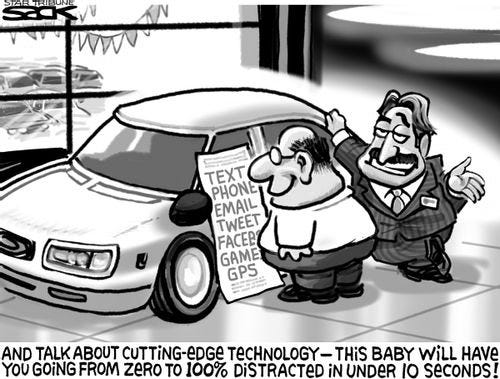
The same goes for automatic emergency braking. I’ve never found driving into the back of another car particularly appealing, so I’m not sure why the car feels the need to intervene like a panicky passenger. And don’t get me started on the irony of cars that lecture you for “not paying attention” while forcing you to navigate a giant touchscreen just to adjust the bloody heater.
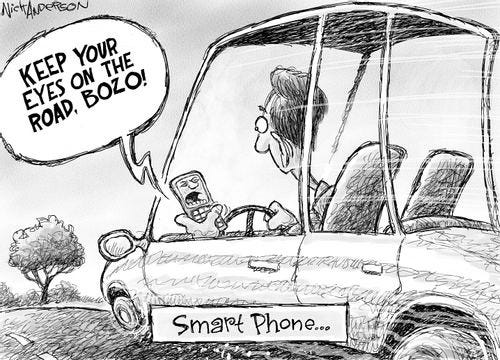
So much like adding a combustion engine to charge the unnecessary battery, or repeating a lunar orbit nearly 60 years after the last, I personally don’t feel cars are really improving - despite the manufacturers trying to convince us otherwise. And before anyone brings up reliability… (more next week!)
Thank you once more dear Allister After 60 years driving , the roads are now safer for my personal retirement !!! Better bodywork with little rusting , cars that normally start immediately, power steering, seat belts and less petrol smells have all improved my travelling in Cars experience I still prefer Black for Cars although we much enjoyed travelling last week in a Car painted Light Metallic Blue and felt very Posh !!!! Thank you both