

For the most part
If you're not a part of the solution, you're part of the problem

I read somewhere that Bertie has over 25,000 individual parts. I’ve been trying to work out if that’s a lot, and I’m still not sure whether I’m impressed or terrified.
Let’s put this in perspective. A modern luxury saloon - your S-Class, BMW - contains about 35,000 parts. But before you assume that makes it ten thousand parts better, consider what those extra parts actually are: fifty-odd electronic control units, two to three kilometres of wiring loom, and hundreds of sensors whose sole purpose is to tell other sensors that the first lot of sensors are working properly. Then there’s the hybrid gubbins - electric motors, battery packs, inverters, cooling systems - bolted on top of a combustion engine that already has turbocharging, direct injection, and an emissions after treatment system complex enough to require its own postcode.

None of this existed in Bertie’s day. He doesn’t have radar. He doesn’t have lidar. He doesn’t even have a cupholder. What he does have is twenty-five thousand parts that were designed, in many cases, for him and him alone.
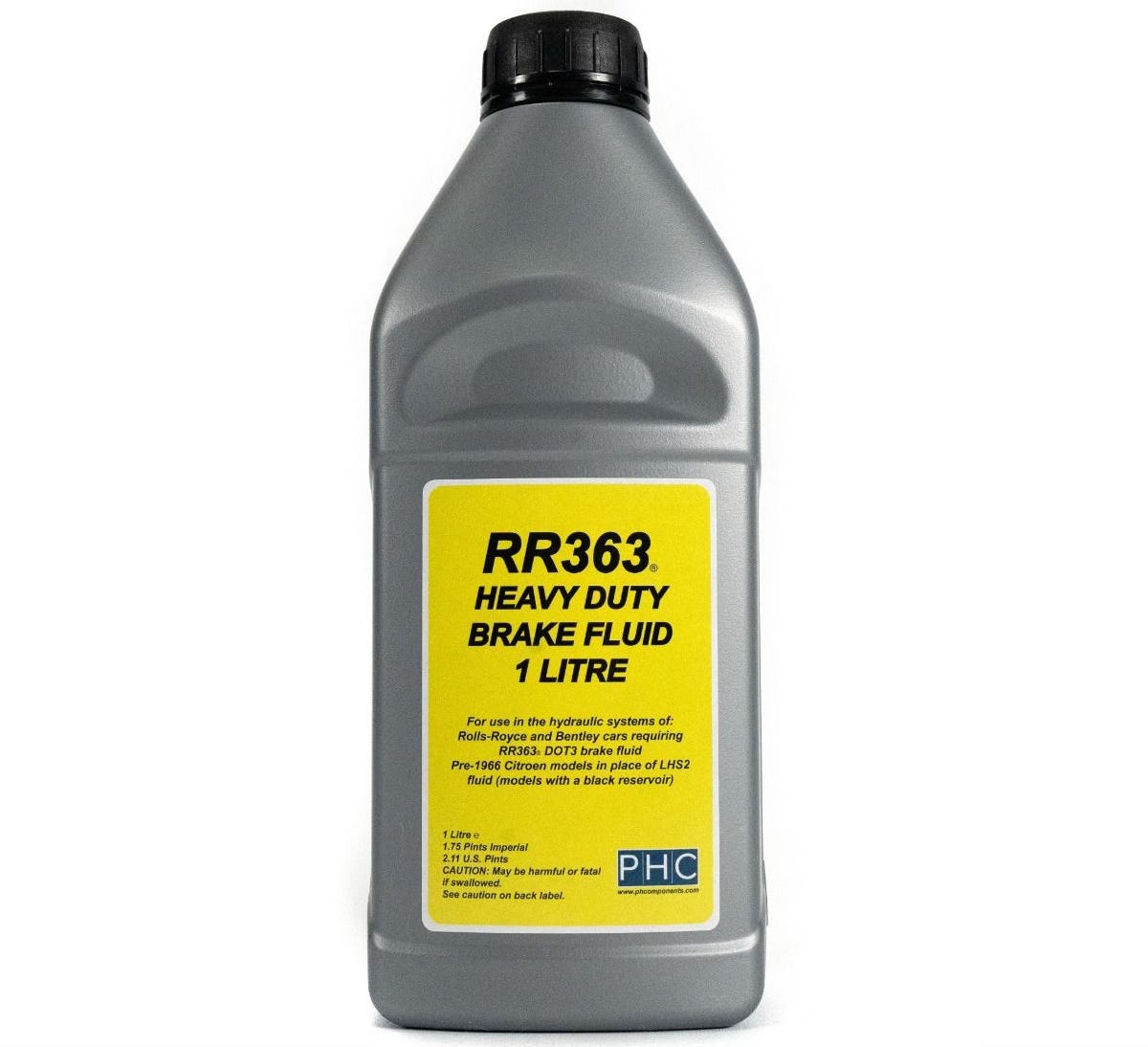
And that’s the thing people miss about cars of this era. A modern Mercedes or BMW is built on a platform shared across half a dozen models and three different badges. Economies of scale, the accountants call it. Bertie’s generation was different. Yes, the carbs, pumps, and motors were bought in - SU, Girling, Lucas, but the engineering that surrounded them was bespoke. The subframes, the hydraulic plumbing, the suspension geometry - all of it designed for one purpose: to make this car ride like no other.

You’d think those extra ten thousand parts in a modern car would make it better. More parts, more luxury, more stuff. And in many ways, you’d be right. A modern S-Class can parallel park itself, massage your lumbar region, and probably file your tax return if you tick the right option. But here’s the thing. If a sensor fails in a modern Mercedes, you don’t fix the sensor. You replace the entire module, at a cost roughly equivalent to a weekend in the Maldives. The module goes in the bin. The bin goes to landfill. And somewhere in Stuttgart, an engineer sheds a single, precisely calibrated tear.
Bertie doesn’t work like that. When something goes wrong - and something always goes wrong - you can actually fix it. With spanners and a hammer - though Rolls-Royce would prefer I didn’t mention that.
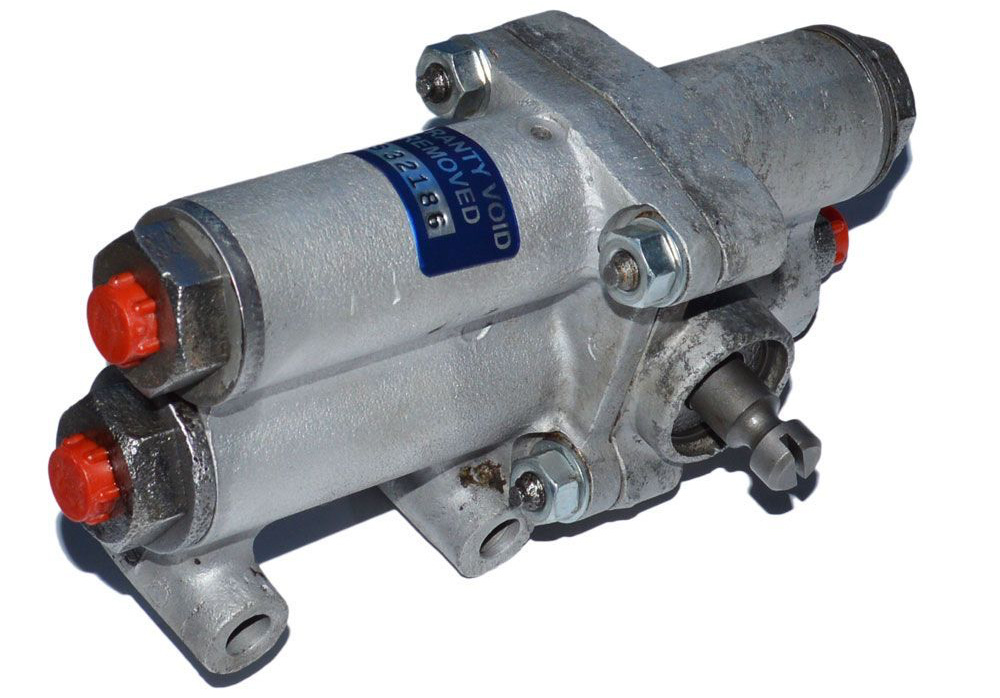
He was built in an era when parts were designed to be serviced, rebuilt, and reused. The SU carburettors can be stripped and reassembled at a kitchen table. The brake calipers can be overhauled. Even the gearbox - a GM400, shared, somewhat embarrassingly, with American pickup trucks - is virtually indestructible and endlessly rebuildable. It’s engineering designed for the long haul, not the lease cycle.

Modern cars are engineering marvels, obviously. I’m not stupid enough to argue that a fifty-year-old Bentley is better than a new one. The new GT is quieter, faster, safer, and unlikely to deposit hydraulic fluid on your driveway at three in the morning. But it’s also essentially disposable. When the electronics age out, when the software is no longer supported, when the fourteen-way adjustable seat controller decides it’s had enough - that’s it. Game over. Thanks for the memories and the finance payments.

Bertie, meanwhile, soldiers on. His parts were made from brass, steel, and aluminium by people who expected them to last. And fifty-odd years later, they’re still available, still rebuildable, and still capable of making a mechanic feel like they’ve actually accomplished something rather than simply swapped one black box for another.
Twenty-five thousand parts. Every one of them fixable. Every one of them worth saving. Which is more than you can say for a parking sensor.
All this reminds me of that great song "fifty ways to leave your lover", only here it is "twenty five thousand ways to bleed your wallet" !